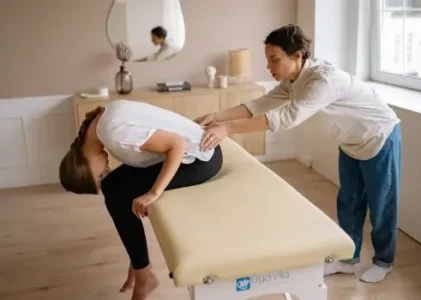
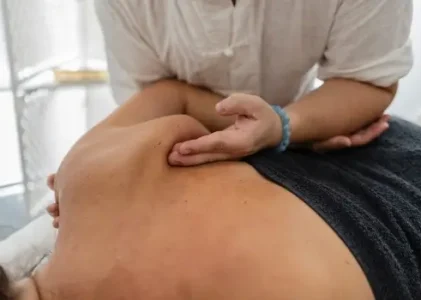
Anyone who has experienced sciatica knows how relentless and disruptive it can be. The sharp, burning, or aching sensation that radiates from the lower back down through the buttock and into the leg can make sitting, standing, walking, and sleeping feel like an exercise in endurance. While sciatica has several potential causes and often requires a multifaceted approach to treatment, massage therapy has emerged as one of the most effective and accessible tools for managing its discomfort and supporting long-term recovery.
Understanding What Sciatica Actually Is
Sciatica is not a diagnosis in itself but a description of symptoms caused by irritation or compression of the sciatic nerve, the longest nerve in the human body. Running from the lower spine through the deep muscles of the buttock and down each leg, the sciatic nerve can become aggravated when surrounding structures press against it. The most common culprits include a herniated disc in the lumbar spine, bone spurs, spinal stenosis, or a tight piriformis muscle in the buttock that clamps down on the nerve as it passes beneath or through the muscle.
Symptoms vary widely from person to person. Some people experience a dull, persistent ache. Others describe an electric shock sensation or a numbness and tingling that travels down to the foot. In most cases sciatica affects only one side of the body, though bilateral cases do occur. Understanding the source of the nerve irritation is important because it influences which massage techniques will be most helpful and which should be avoided.
How Massage Addresses the Root of Sciatic Pain
Massage therapy works on sciatica through several overlapping mechanisms. First, it directly reduces muscle tension in the structures most likely to be compressing or irritating the sciatic nerve. The piriformis muscle is a frequent target. When this deep muscle in the buttock becomes chronically tight, it can press directly against the sciatic nerve, producing symptoms that closely mimic those caused by a disc herniation. Focused massage work on the piriformis, combined with gentle stretching, can release this tension and provide significant and sometimes immediate relief.
Second, massage increases circulation to the affected area. Improved blood flow delivers oxygen and nutrients to irritated nerve tissue and surrounding muscles while clearing away the inflammatory byproducts that accumulate around a compressed nerve. This reduction in local inflammation contributes meaningfully to pain relief and can support the healing process over time.
Massage Techniques Most Effective for Sciatica
Not all massage techniques are equally well-suited to sciatica, and a skilled therapist will select their approach based on a thorough assessment of the patient’s symptoms, their likely cause, and how acute or chronic the condition is. Deep tissue massage is commonly used to address the layers of muscle along the lumbar spine and into the gluteal region where tension tends to accumulate and pull on the structures surrounding the nerve.
Myofascial release targets the connective tissue surrounding muscles and can be particularly valuable when fascial adhesions are contributing to restricted movement and nerve compression. Trigger point therapy applies sustained pressure to specific points of referred pain within a muscle, releasing knots that may be radiating discomfort into the leg along the sciatic pathway. For patients in acute flare-ups, a gentler approach focusing on relaxation and circulation rather than deep pressure is often more appropriate and better tolerated.
What to Expect During a Session
Before beginning any work, a qualified massage therapist will take a detailed health history and ask specific questions about your symptoms, their duration, what makes them better or worse, and whether you have received a medical diagnosis. This information shapes the entire session. If your sciatica has been attributed to a disc herniation, for example, certain positions and techniques will be modified or avoided to prevent aggravating the underlying condition.
Most sessions targeting sciatica focus significant time on the lower back, the glutes, the piriformis, and the hamstrings, all of which influence the tension environment around the sciatic nerve. Work may also extend to the hip flexors and the muscles of the lower leg if referral patterns or compensatory tension are present there. Communication throughout the session is essential. The therapist needs to know if pressure feels productive or if it is tipping into a pain level that causes guarding or aggravation.
Massage as Part of a Broader Treatment Plan
Massage therapy is most effective for sciatica when it is integrated into a broader treatment approach rather than used in isolation. Physical therapy exercises that strengthen the core and stabilize the lumbar spine address the underlying vulnerability that allows nerve compression to occur in the first place. Stretching routines targeting the piriformis and hip rotators extend the benefits of massage between sessions. Anti-inflammatory dietary choices, adequate hydration, and postural adjustments at work and during sleep all contribute to a more stable recovery environment.
For people dealing with sciatica caused by a structural issue such as a significant disc herniation or spinal stenosis, massage works best as a complementary support to medical treatment rather than a replacement for it. When all of these elements work together, the results tend to be more durable and more complete than any single intervention can achieve on its own.
How Often Should You Receive Massage for Sciatica
The frequency of massage that will be most beneficial depends on the severity of the condition and how the individual responds to treatment. During an acute flare-up, more frequent sessions spaced close together, perhaps once or twice a week, can help bring symptoms under control more quickly. As the condition stabilizes and pain levels decrease, sessions can be spaced out to once every two or three weeks and eventually to a monthly maintenance schedule.
It is worth noting that some patients experience a temporary increase in soreness in the day or two following a deeper massage session, particularly early in treatment. This is a normal response to soft tissue work and generally resolves within forty-eight hours. Staying well hydrated after sessions and applying gentle heat to the treated area can help manage this mild post-treatment response.
A Final Thought
Sciatica can be a deeply discouraging condition, particularly when it persists for weeks or months and interferes with nearly every aspect of daily life. Massage therapy does not promise a cure, but for many people it offers genuine, meaningful relief at a time when that relief feels hard to come by. In the hands of a skilled and informed therapist, it can reduce pain, restore movement, and give the body a better environment in which to heal. If you are managing sciatica and have not yet explored massage as part of your care, it is a conversation well worth having with your healthcare provider.…