
Vacation Rentals
Vacation Rentals

How Massage Supports Recovery After Intense Workouts

Intense physical training is a deliberate stress on your body, designed to make you stronger and faster. The real transformation, however, happens during recovery. Massage therapy is a powerful tool that accelerates this critical phase. By targeting the physiological effects of strenuous exercise, massage helps your muscles repair, reduces soreness, and prepares you to return to your next workout stronger and more resilient.

Accelerating Muscle Repair and Reducing Soreness

After a hard workout, microscopic tears occur in your muscle fibers. This is a natural part of building strength, but it leads to inflammation and the buildup of metabolic byproducts like lactic acid. Massage directly addresses this by increasing blood circulation to the worked areas. The enhanced blood flow delivers a fresh supply of oxygen and nutrients essential for tissue repair while simultaneously flushing away the fatigue causing waste products. This process can significantly reduce the severity and duration of Delayed Onset Muscle Soreness (DOMS), the stiffness you feel 24 to 72 hours after exercise. You feel less achy, which allows you to move more freely and comfortably during your recovery days.

Restoring Range of Motion and Reducing Tension

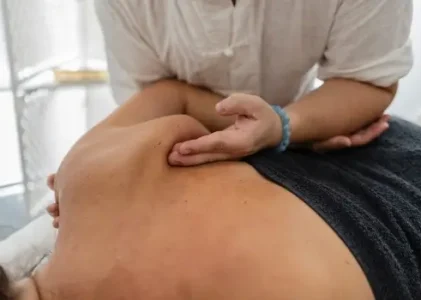
Intense exercise often leaves muscles and the surrounding connective tissue (fascia) feeling tight and restricted. This tightness can limit your flexibility and range of motion, potentially hindering performance and increasing injury risk. Massage techniques, including myofascial release and deep tissue work, apply specific pressure to release these areas of tension and adhesion. This helps to lengthen the muscle tissue, break up scar tissue, and improve the elasticity of the fascia. The result is a noticeable improvement in flexibility and joint mobility. Restoring your full range of motion ensures your body can move efficiently and powerfully in your next training session.

Calming the Nervous System for Better Overall Recovery

The benefits of post workout massage extend beyond the physical to the neurological. Intense training activates your sympathetic nervous system, the “fight or flight” response that elevates stress hormones like cortisol. A massage session promotes a powerful shift into the parasympathetic nervous system, or the “rest and digest” state. This lowers cortisol levels, reduces overall stress, and promotes deep relaxation. Better management of your nervous system enhances sleep quality, which is when the body performs its most crucial repair and hormone regulation. This holistic approach to recovery ensures you are not just physically rested, but also mentally recharged.

Incorporating massage into your post workout routine is an investment in your body’s ability to adapt and improve. It is a proactive strategy that moves you beyond passive rest into active recovery. By accelerating muscle repair, restoring mobility, and promoting nervous system balance, massage helps you bounce back faster and more completely. This allows you to maintain higher training frequency and intensity, ultimately supporting your long term athletic goals and overall wellbeing.…

Why Deep Tissue Massage Helps With Chronic Pain

Chronic pain is more than a persistent symptom. It is a complex condition that can alter how the nervous system functions and create restrictive patterns in the body’s soft tissues. For those seeking relief beyond medication, deep tissue massage offers a therapeutic and proactive solution. By targeting the root structural causes of pain, this specialized form of bodywork can provide lasting relief and restore functional movement. It addresses both the physical adhesions and the neurological feedback loops that perpetuate discomfort.

Breaking Down Adhesions and Restoring Movement

Chronic pain often leads to the development of adhesions. These are bands of rigid, painful tissue that form within muscles and fascia, the body’s connective web. Adhesions restrict blood flow, limit range of motion, and cause inflammation. Deep tissue massage uses slow, focused strokes and firm pressure to physically break apart these restrictive knots and scar tissue. This process, known as myofascial release, helps to elongate muscles, separate fused tissue layers, and restore normal movement. By releasing these physical restrictions, the massage alleviates the primary source of structural pain and stiffness.

Improving Circulation and Reducing Inflammation

Areas of chronic pain are often characterized by poor circulation and stagnant inflammation. The deep pressure applied during a massage serves a vital physiological purpose. It stimulates blood flow to oxygen starved tissues. This influx of fresh, oxygenated blood is essential for healing, while the enhanced circulation helps to flush out inflammatory chemicals and metabolic waste that contribute to pain and swelling. Over time, this reduction in localized inflammation can significantly decrease the constant background pain signal the body is sending.

Calming the Nervous System’s Pain Response

Perhaps the most profound effect of deep tissue work is on the nervous system. Chronic pain can keep the body in a heightened state of alert, or sympathetic dominance. The sustained, deliberate pressure of a deep tissue massage activates the parasympathetic nervous system, which is responsible for rest and relaxation. This shift helps to lower stress hormones like cortisol, reduce overall tension, and interrupt the cycle of pain and stress. Furthermore, the massage provides new, positive sensory input to the brain, helping to “reset” pain pathways and reduce the hypersensitivity often associated with chronic pain conditions.

While it requires a commitment to a treatment plan, deep tissue massage offers a path to meaningful, lasting change for chronic pain sufferers. It works on multiple levels to address the physical restrictions, improve tissue health, and calm the overactive nervous system. By partnering with a skilled therapist, individuals can move beyond temporary pain management toward genuine rehabilitation and a restored sense of physical freedom.…

How Massage Helps Relieve Lower Back Pain

Lower back pain is one of the most common physical complaints, affecting people of all ages and activity levels. Whether caused by long hours of sitting, poor posture, stress, or physical strain, back discomfort can interfere with daily life. Massage therapy is a natural, non-invasive approach that can help relieve lower back pain and support long-term wellness.

Reduces Muscle Tension and Tightness

One of the primary causes of lower back pain is muscle tension. Tight muscles can restrict movement, reduce flexibility, and place added stress on surrounding tissues. Massage helps relax these muscles by increasing blood flow and encouraging the release of built-up tension. As muscles soften, pain often decreases and mobility improves.

Improves Circulation and Healing

Massage therapy promotes healthy circulation, which delivers oxygen and nutrients to affected muscles and tissues. Improved blood flow supports the body’s natural healing process and helps reduce inflammation. This can be especially beneficial for those recovering from injury or dealing with chronic lower back discomfort.

Supports Better Posture and Alignment

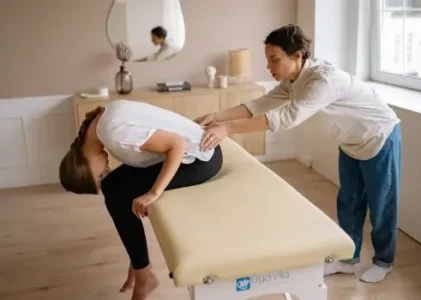
Poor posture is a major contributor to lower back pain, particularly for individuals who sit for long periods. Massage helps address muscular imbalances that pull the body out of alignment. By relaxing overworked muscles and stimulating underused ones, massage can support better posture and reduce strain on the lower back.

Reduces Stress and Pain Perception

Stress often causes people to unconsciously tighten their muscles, especially in the lower back. Massage encourages relaxation and triggers the release of endorphins, the body’s natural pain-relieving chemicals. This combination helps reduce both physical discomfort and the mental stress associated with chronic pain.

Complements Other Pain Management Strategies

Massage works well alongside stretching, exercise, and physical therapy. When used regularly, it can help prevent pain from returning and support overall back health. For many people, massage is an effective part of a holistic approach to managing lower back pain and improving quality of life.…