


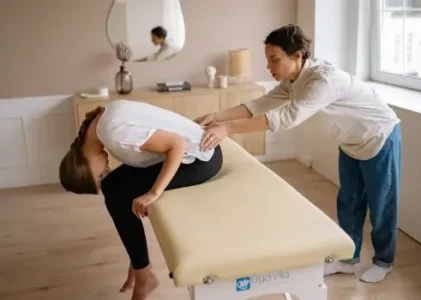
Hip tightness has become an almost universal complaint in our modern world. Long hours spent sitting at desks, commuting in cars, and scrolling on phones place the hips in a constant state of flexion. Over time, this shortens and tightens the muscles surrounding the joint, leading to stiffness, aching, and restricted movement. While stretching is often the first solution people try, massage therapy offers a powerful and direct approach to unlocking these stubborn areas and restoring genuine comfort.
Understand the Muscles Involved
To effectively address hip tightness, it helps to understand which muscles are actually involved. The hip is not a single structure but a complex network of muscles that control movement and stability. The primary culprits in hip tightness are the hip flexors, specifically the psoas and iliacus, which run from your lower spine and pelvis down to your thigh bone. When these muscles remain contracted for extended periods, they shorten and pull on your pelvis.
Other key players include the gluteal muscles, the piriformis located deep in the buttocks, and the tensor fasciae latae on the outer hip. These muscles often become tight as they compensate for weak glutes or poor posture. Massage therapists target these specific muscle groups using techniques designed to release tension, improve blood flow, and restore normal length to shortened tissues. Understanding this landscape helps you communicate clearly with your therapist about where you feel the most restriction.
Release Trigger Points and Fascial Restrictions
One of the primary ways massage relieves hip discomfort is through the release of trigger points. These are hyperirritable knots within a muscle band that form from overuse, strain, or sustained postures. A trigger point in the gluteus medius, for example, can refer pain down the side of the leg and mimic sciatica. Deep tissue massage applies sustained pressure to these points, interrupting the pain cycle and allowing the muscle fibers to relax.
Equally important is the manipulation of fascia, the thin casing of connective tissue that surrounds and interpenetrates every muscle. When fascia becomes dehydrated, stiff, or adhered to underlying structures, it restricts movement and creates a sensation of tightness that stretching alone cannot resolve. Myofascial release techniques used in massage apply gentle, sustained pressure to stretch and soften this tissue, restoring glide and freedom between layers of muscle. This work creates space within the joint and allows for greater range of motion.
Restore Balance and Movement Patterns
Massage does more than simply relax tight muscles. It helps restore balanced function to the entire kinetic chain. Tight hips rarely exist in isolation. They often accompany weak core muscles, inactive glutes, and poor pelvic alignment. By releasing the overactive, tight muscles on the front and sides of the hip, massage allows the underactive, weakened muscles on the posterior chain to reengage properly.
This rebalancing effect is critical for long term relief. When the psoas releases and the glutes begin to fire correctly, walking, climbing stairs, and rising from a chair become noticeably easier. Regular massage sessions also provide valuable feedback about your body. You become more aware of habitual postures and movement patterns that contribute to your tightness. This awareness, combined with targeted therapeutic work, empowers you to interrupt the cycle of discomfort at its source. The result is not just temporary relief but a lasting improvement in how your hips feel and function every day.