


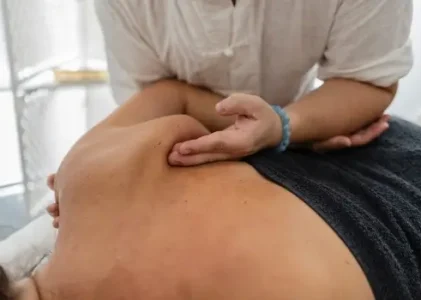
Chronic pain is more than a persistent symptom. It is a complex condition that can alter how the nervous system functions and create restrictive patterns in the body’s soft tissues. For those seeking relief beyond medication, deep tissue massage offers a therapeutic and proactive solution. By targeting the root structural causes of pain, this specialized form of bodywork can provide lasting relief and restore functional movement. It addresses both the physical adhesions and the neurological feedback loops that perpetuate discomfort.
Breaking Down Adhesions and Restoring Movement
Chronic pain often leads to the development of adhesions. These are bands of rigid, painful tissue that form within muscles and fascia, the body’s connective web. Adhesions restrict blood flow, limit range of motion, and cause inflammation. Deep tissue massage uses slow, focused strokes and firm pressure to physically break apart these restrictive knots and scar tissue. This process, known as myofascial release, helps to elongate muscles, separate fused tissue layers, and restore normal movement. By releasing these physical restrictions, the massage alleviates the primary source of structural pain and stiffness.
Improving Circulation and Reducing Inflammation
Areas of chronic pain are often characterized by poor circulation and stagnant inflammation. The deep pressure applied during a massage serves a vital physiological purpose. It stimulates blood flow to oxygen starved tissues. This influx of fresh, oxygenated blood is essential for healing, while the enhanced circulation helps to flush out inflammatory chemicals and metabolic waste that contribute to pain and swelling. Over time, this reduction in localized inflammation can significantly decrease the constant background pain signal the body is sending.
Calming the Nervous System’s Pain Response
Perhaps the most profound effect of deep tissue work is on the nervous system. Chronic pain can keep the body in a heightened state of alert, or sympathetic dominance. The sustained, deliberate pressure of a deep tissue massage activates the parasympathetic nervous system, which is responsible for rest and relaxation. This shift helps to lower stress hormones like cortisol, reduce overall tension, and interrupt the cycle of pain and stress. Furthermore, the massage provides new, positive sensory input to the brain, helping to “reset” pain pathways and reduce the hypersensitivity often associated with chronic pain conditions.
While it requires a commitment to a treatment plan, deep tissue massage offers a path to meaningful, lasting change for chronic pain sufferers. It works on multiple levels to address the physical restrictions, improve tissue health, and calm the overactive nervous system. By partnering with a skilled therapist, individuals can move beyond temporary pain management toward genuine rehabilitation and a restored sense of physical freedom.