Massage
Massage

How Trigger Point Therapy Helps With Chronic Knots

If you have ever felt a tight, tender spot in a muscle that just will not release, you have met a trigger point. These stubborn knots can cause pain, stiffness, and even discomfort in areas far from the knot itself. Trigger point therapy is a focused technique designed to address them. Here is how it works and what to expect.

What a Trigger Point Actually Is

A trigger point is a small, hyperirritable spot within a tight band of muscle. When pressed, it often feels like a firm knot and can be surprisingly tender. What makes trigger points unique is that they can refer pain elsewhere, so a knot in your shoulder might send discomfort up into your head or down your arm.

How the Therapy Works

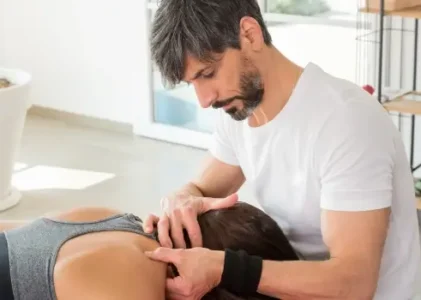
Trigger point therapy uses direct, sustained pressure on the knot itself. A therapist locates the tight spot and applies steady pressure for a period of time, then releases. This focused approach encourages the muscle fibers to relax and the knot to soften. Cycles of pressure and release, often combined with stretching, help the muscle return to a normal, relaxed state.

Relief From Referred Pain

Because trigger points can cause pain in distant areas, treating them can relieve symptoms that seemed unrelated. Headaches, limited shoulder movement, and nagging aches sometimes trace back to a single knot. Addressing the source often brings relief that stretching alone cannot.

What to Expect During a Session

The pressure on an active trigger point can feel intense, often described as a good hurt, but it should never be unbearable. Communication is essential, so tell your therapist how the pressure feels so they can adjust. Some tenderness afterward is normal and usually fades within a day or two.

Consistency Brings Lasting Results

Chronic knots rarely release in a single session. Regular trigger point work, paired with good posture, hydration, and movement, produces the best long-term results. Let your therapist know your problem areas so they can build a plan around them.

A Final Thought

Trigger point therapy offers targeted relief for the chronic knots that ordinary stretching cannot reach. Work with a skilled therapist, communicate throughout, and stay consistent to keep those stubborn knots from coming back.…
How Massage Improves Range of Motion Over Time

Range of motion is how far and how freely your joints move, and it plays a huge role in how you feel and perform every day. Tight muscles, stiff joints, and old injuries can quietly shrink that range until simple movements feel restricted. Massage therapy, practiced consistently, can help restore freedom of movement over time. Here is how it works.

Understanding Range of Motion

Every joint has a natural range through which it should move comfortably. When muscles tighten, fascia binds, or scar tissue forms, that range narrows. You might notice it as a stiff neck, tight hips, or shoulders that will not rotate the way they once did. Improving range of motion means addressing the soft tissue that limits it.

Releasing Tight Muscles and Fascia

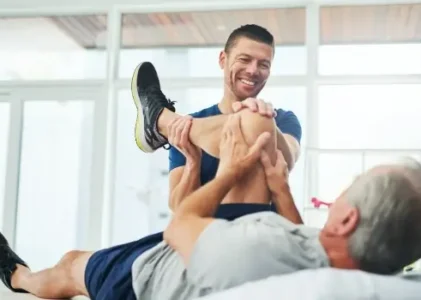
Massage works directly on the muscles and connective tissue that restrict movement. By loosening knots and stretching tight fascia, a skilled therapist helps these tissues relax and lengthen. As chronic tension releases, joints can move more freely through their intended range.

Breaking Down Adhesions Gradually

After injury or from repetitive strain, adhesions and scar tissue can form and limit movement. Focused massage techniques help break down these restrictions over a series of sessions. This is a gradual process, which is why consistency matters far more than any single appointment.

Improving Circulation to Support Flexibility

Massage increases blood flow to the tissues being worked on, delivering oxygen and nutrients that support healthy, pliable muscle. Warm, well-nourished tissue stretches more easily than cold, tight tissue, which contributes to better mobility over time.

Why Consistency Is Key

A single massage can bring temporary relief, but lasting improvement in range of motion comes from regular work. Combining massage with gentle stretching and movement, guided by your healthcare provider when appropriate, produces the best long-term results. Let your therapist know your mobility goals so they can tailor each session.

A Final Thought

Massage is a valuable tool for restoring freedom of movement, especially as part of a consistent routine and alongside professional medical care when needed. Stay consistent, communicate your goals, and give your body the time it needs to open up.…